Artificially Inspired: Week #5: Don’t Forget the AI You’ve Already Adopted
AI moves fast. Every week there’s a new tool, a new model, a new promise to reinvent everything.
But while it’s tempting to chase the shiny stuff, some of the most valuable AI in our workflow is… boring. Or at least, it feels that way now because it works so well we barely notice it anymore.
At plastic pictures, a lot of the AI we rely on daily has quietly slipped into the background. Not because it’s unimpressive but because it’s become essential.
The “Old Faithfuls” Doing the Heavy Lifting
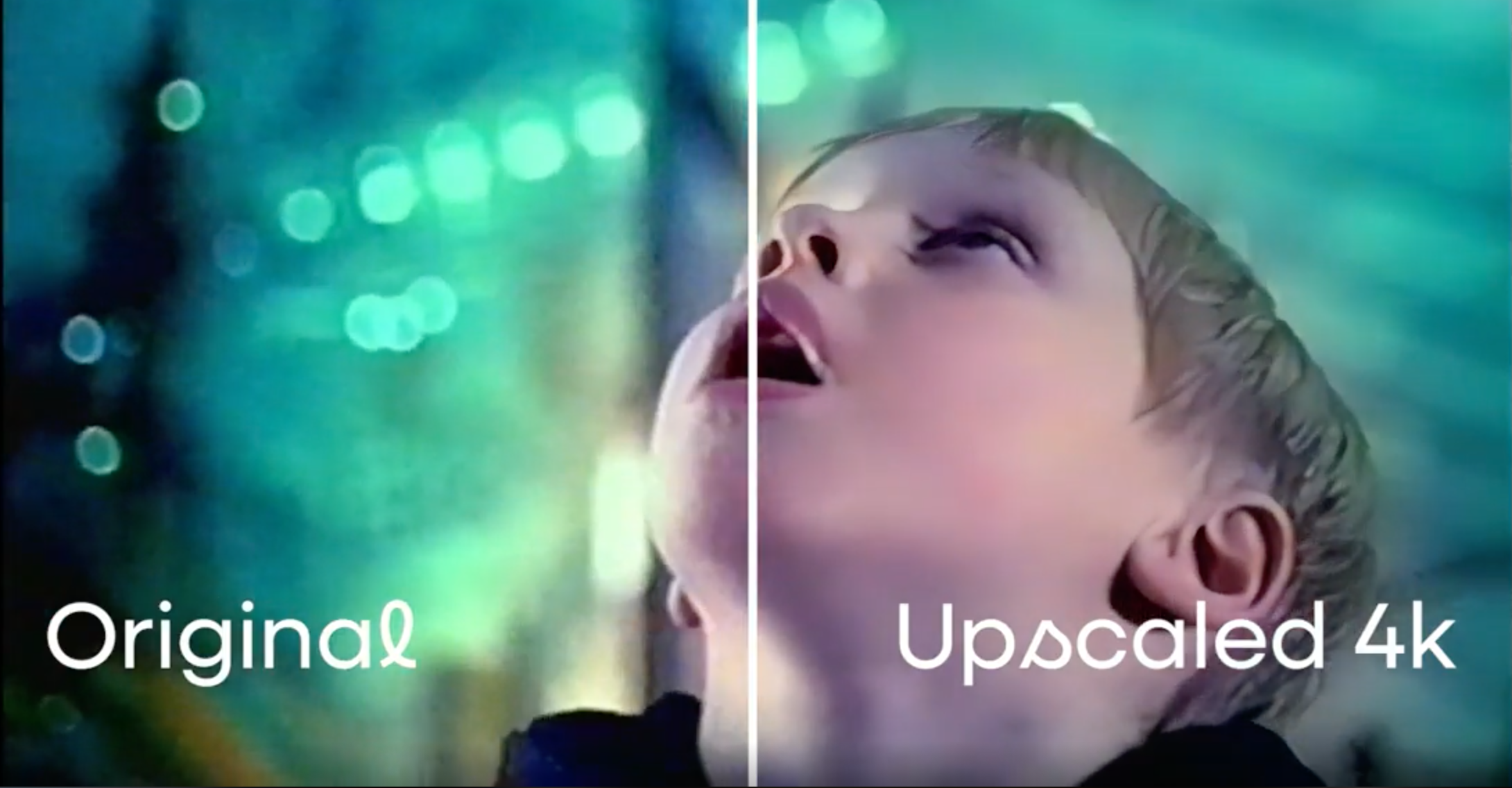
Upscaling tools
Low-res assets. Missing masters. Legacy content that needs a second life.
AI upscaling has become a quiet saviour turning compromised footage into crisp, usable material when higher-quality sources simply don’t exist.
Audio cleanup & stem separation
When multitracks are gone (or never existed), AI lets us recover what matters.
Dialogue, music, and effects can be separated, cleaned, and reshaped - rescuing edits that would once have been dead ends.
Generative Fill for image extension
Different formats. New aspect ratios. More deliverables.
Generative Fill allows us to extend images without touching the original composition, keeping the integrity of the creative intact while making it work harder across channels.
None of these tools are headline-grabbers anymore.
But they make the work better. Faster. Smarter. More resilient.
And that’s kind of the point.
The Quiet Power of Practical AI
For us, the real magic of AI isn’t about spectacle.
It’s about removing friction. Unlocking value. Making existing assets go further without compromising craft.
In this week’s test, we used:
- Upscaling: Topaz
- Audio cleanup: Adobe Podcast
- Vocal & stem splitting: Kits.ai, ElevenLabs
- Generative Fill: Photoshop
No fireworks. No gimmicks. Just tools doing exactly what they should - supporting creativity, not overshadowing it.
Sometimes the most powerful AI is the one you’ve forgotten is even there.